Professional Music Studio in Lusaka, Zambia: What It Really Takes to Build One
A professional music studio in Lusaka, Zambia is not just a room with expensive equipment. Instead, it is a controlled environment where you capture, shape, and refine sound with precision. Today, more creators in Lusaka are upgrading from basic home setups and actively building studios that match commercial production standards.
However, you do not build a professional studio overnight. You also do not build it through guesswork. You build it through structure, acoustic control, and the right combination of tools and skills.
1. The Room Defines the Studio
In professional audio work, the room plays a major role in sound quality.
A properly treated studio space reduces echo, controls reflections, and blocks outside noise from affecting recordings. Without these improvements, even high-end microphones and software produce weak results.
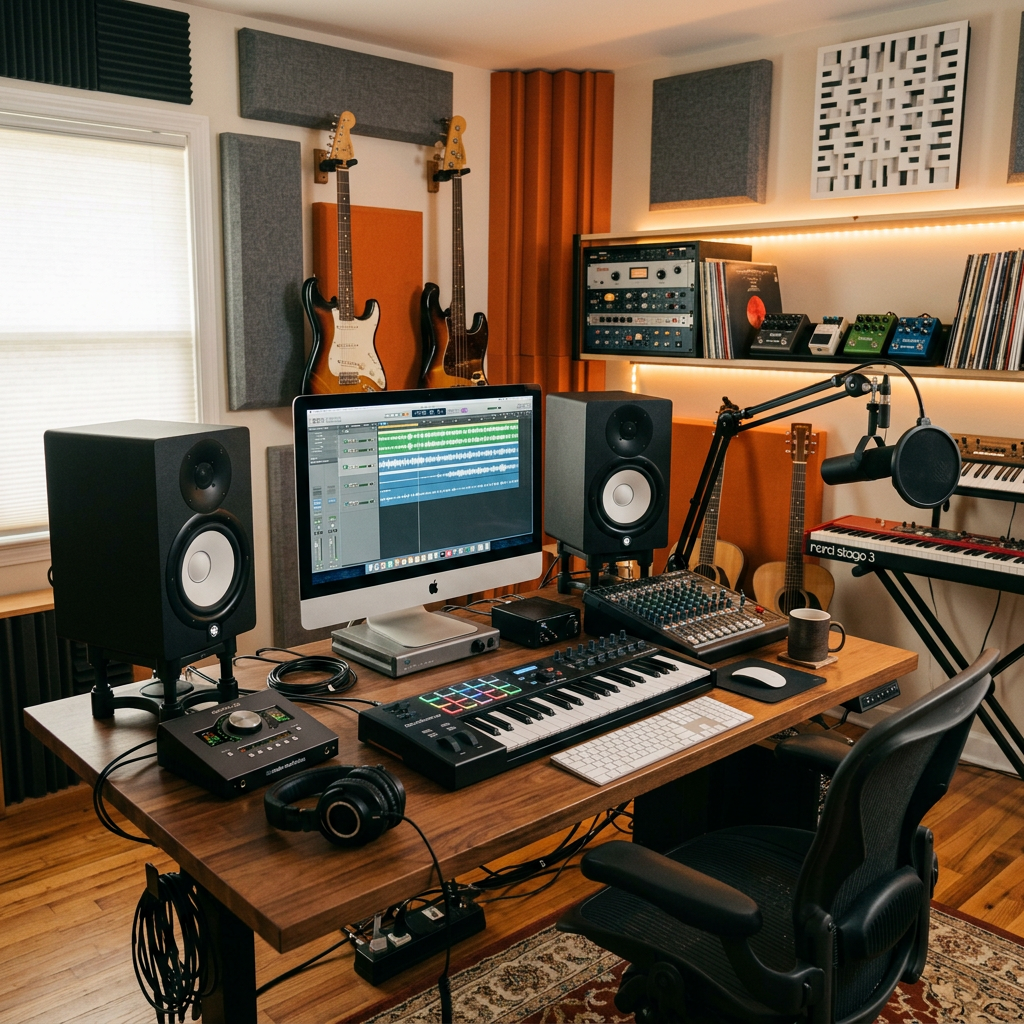
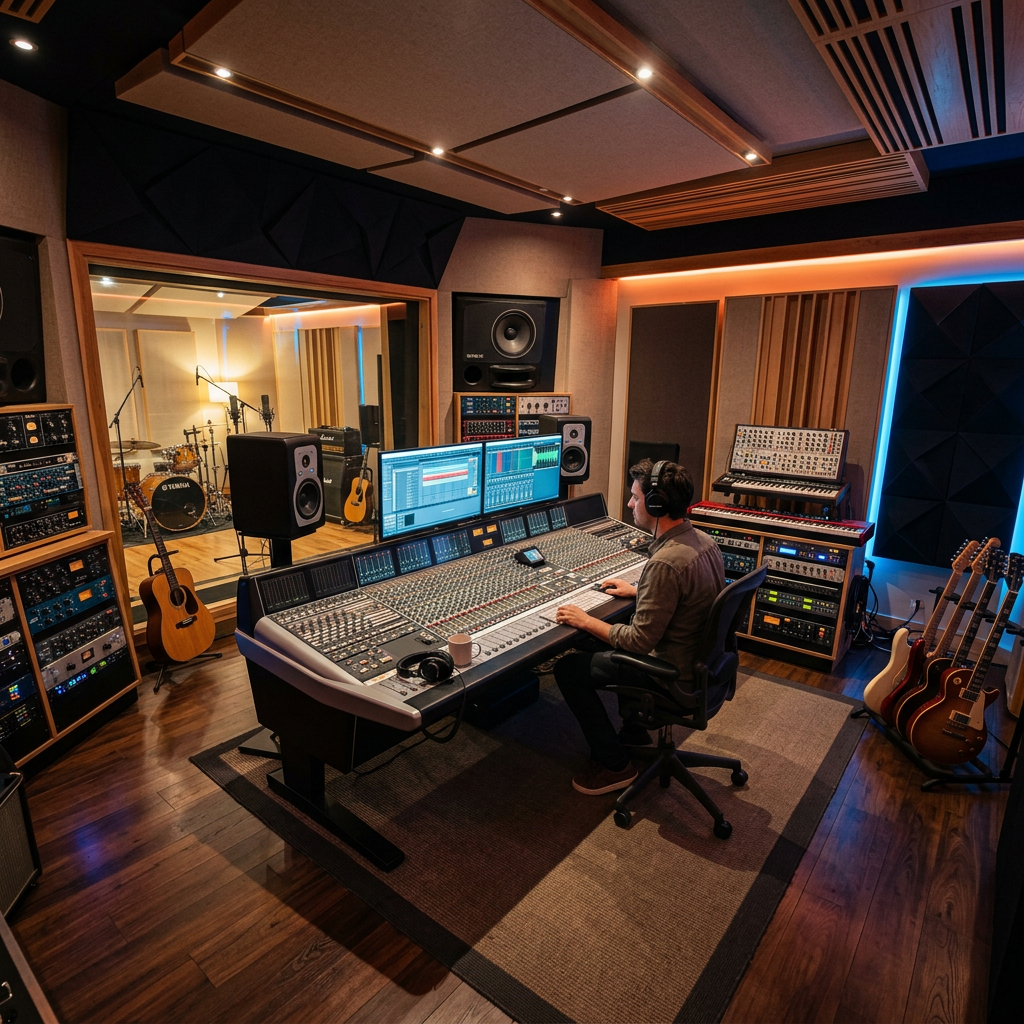
That is why professional studios install acoustic treatment such as foam panels, bass traps, diffusers, and structured room layouts. In Lusaka, where most buildings do not support audio work by default, you must prioritize this step even more.
2. High-Quality Microphone Systems
A professional studio uses more than one microphone type. It selects microphones based on the recording task.
You use condenser microphones for vocals because they capture detail and clarity. You use dynamic microphones for louder sources such as instruments or amplified sound.
However, you do not achieve professional results from the microphone alone. You also control placement, distance, and room conditions to capture clean audio from the start.
3. Audio Interface and Clean Signal Flow
A professional studio uses an audio interface to convert analog sound into high-quality digital audio.
This setup improves performance in several ways:
- It reduces latency during recording
- It delivers cleaner and more accurate sound
- It gives you better control over input levels
- It improves overall recording quality
Every part of your signal chain must work together. You must connect your microphone, interface, and software in a clean, noise-free system.
4. Monitoring That Reveals Every Detail
Professional studios rely on both studio monitors and reference headphones.
Studio monitors give you a flat and honest sound. They help you make accurate mixing decisions without artificial boosts.
Reference headphones allow you to hear fine details. You detect errors, background noise, and imbalance more easily.
In professional audio production, you fix exactly what you hear.
5. Digital Audio Workstation (DAW) Mastery
A professional studio runs on software, but people drive the results.
You use DAWs like Pro Tools, FL Studio, Logic Pro, or Ableton Live to record, edit, and mix audio.
However, the software alone does not create professional sound. You must develop skills in mixing, mastering, layering, and sound design to produce high-quality output.
6. Acoustic Accuracy and Sound Treatment
You cannot achieve professional sound without acoustic treatment.
Professional studios install:
- Wall absorption panels
- Ceiling treatment
- Bass control systems
- Sound isolation materials
These tools help you control the room and improve recording accuracy. If you ignore acoustic treatment, your recordings will sound unclear and inconsistent.
7. Workflow and Studio Discipline
A professional music studio follows a clear workflow.
You plan recording sessions, organize files, and manage time effectively. You also separate recording, editing, and mixing into structured stages.
This discipline improves efficiency and produces consistent results. It also separates hobby setups from commercial studios.
8. Turning a Studio Into a Business
In Lusaka, professional music studios now operate as businesses, not just creative spaces.
You generate income through:
- Music production for artists
- Audio recording services
- Mixing and mastering
- Voice-over production
- Commercial audio projects
However, equipment alone does not bring clients. You must deliver consistent quality, build trust, and maintain a strong reputation.
Final Thoughts
You build a professional music studio in Lusaka, Zambia with intention, not accumulation.
You do not collect random equipment. Instead, you build a system that works together: a treated room, a clean signal chain, accurate monitoring, and strong technical skill.
When you combine all these elements, your studio stops being a basic setup.
It becomes a professional production environment capable of delivering industry-level results.